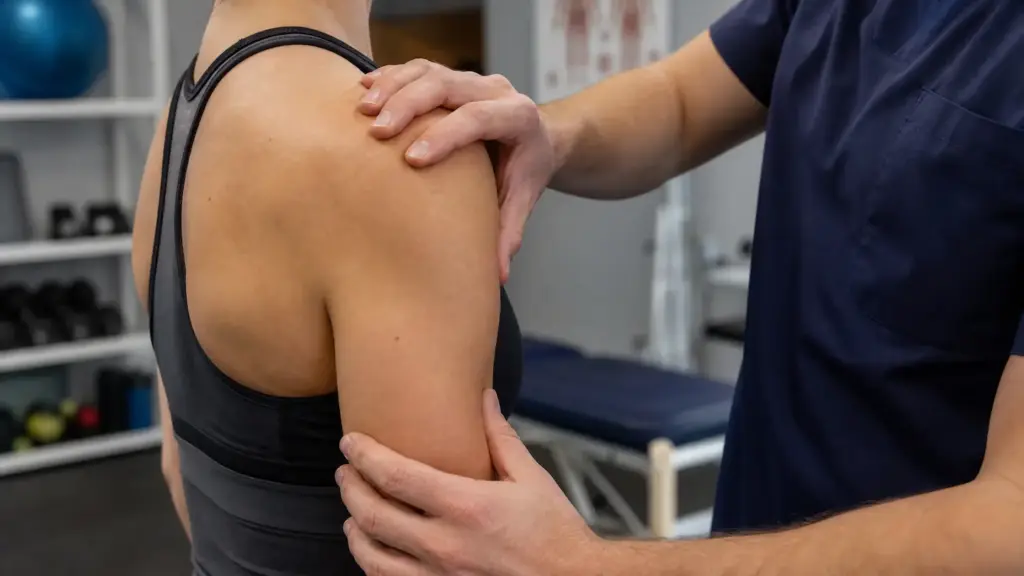
What Causes Shoulder Pain?
Shoulder pain can result from rotator cuff problems, arthritis, impingement, instability or trauma. Shoulder arthritis develops when cartilage in the shoulder joint wears away over time. Pain typically worsens with activity and improves with rest. Accurate diagnosis is essential for effective treatment.
What is Shoulder Arthritis?
Shoulder arthritis (osteoarthritis) develops when cartilage in the shoulder joint wears away, causing pain, stiffness and reduced function. It progresses gradually over years. Early stages respond to conservative treatment; advanced cases may require shoulder replacement. Pain can vary from mild to severe depending on the extent of arthritis.
Understanding Your Pain
Most shoulder pain responds to conservative care including physiotherapy and anti-inflammatory treatment. However, some conditions require specialist intervention or surgery. Shoulder arthritis can range from early-stage wear to severe arthritis requiring joint replacement. The key is early diagnosis and appropriate management.
Common Symptoms (Pain)
- Sharp or aching pain in the shoulder
- Pain with overhead reaching or lifting activities
- Pain that worsens at night disrupting sleep
- Weakness or stiffness limiting shoulder movement
Common Symptoms (Arthritis)
- Pain that worsens with activity and improves with rest
- Morning stiffness that gradually improves
- Reduced range of motion and difficulty reaching overhead
- Grinding sensation or clicking in the shoulder
- Progressive pain and stiffness over time
The procedure
Diagnosis
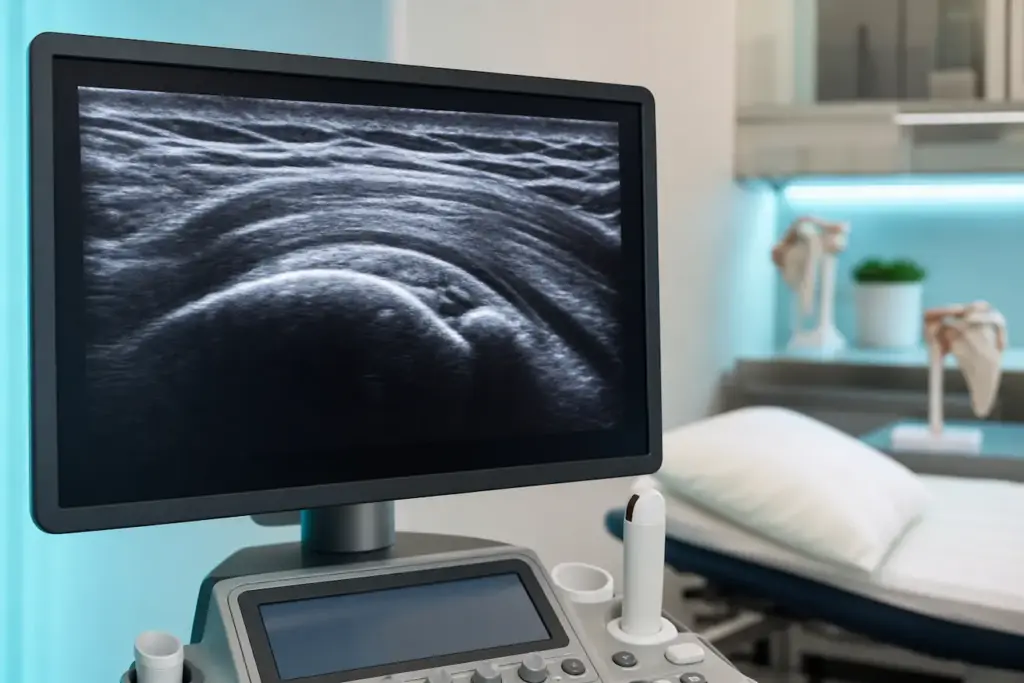
Mr Mitra performs thorough clinical examination combined with imaging (X-rays, ultrasound or MRI) to identify the cause. For arthritis, assessment includes understanding your pain patterns, range of motion, and imaging findings.
Conservative Treatment
Early arthritis is managed with physiotherapy, anti-inflammatory medications and activity modification. Rest and ice help reduce pain and inflammation. For progressive arthritis, steroid injections may help. As arthritis advances, other procedures may help manage pain. Physical therapy focuses on maintaining mobility and strength.
Treatment Options Include
- Physiotherapy, anti-inflammatory medications, activity modification
- Steroid injections for pain management
- Arthroscopic procedures for moderate arthritis
- Shoulder replacement for severe arthritis
- Ultrasound-guided suprascapular nerve block for patients not wishing joint replacement (provides pain relief and allows continued shoulder function)
Advanced Options
For severe arthritis, shoulder replacement provides excellent results. For patients who do not wish to progress to joint replacement, Mr Mitra offers ultrasound-guided suprascapular nerve block, a minimally invasive procedure that provides pain relief and allows continued shoulder function.
Treatment is Individualised
Mr Mitra individualises treatment based on your condition severity and preferences. Treatment ranges from conservative management to surgical intervention depending on the specific condition and your goals.
Recovery
Conservative Treatment Recovery
Most shoulder pain improves within 6-12 weeks with conservative treatment including rest, ice and physiotherapy. Conservative treatment recovery involves gradual improvement over weeks to months. Regular follow-up ensures proper healing and guides rehabilitation progression.
For Arthritis - Conservative Recovery
Conservative treatment recovery varies depending on severity. Early arthritis improves with appropriate conservative management. Long-term outcome depends on compliance with exercise programmes. Surgical procedures vary in recovery time — arthroscopy requires 6-12 weeks, replacement requires 3-6 months.
Surgical Recovery
If surgery is needed, recovery varies from 2-6 weeks for arthroscopy to 3-6 months for major procedures like replacement. Physical therapy is essential for all treatment approaches. Most patients achieve good healing within 3-6 months with dedicated therapy and compliance.
Quick facts
Assessment time
30-45 minutes
Treatment type
Conservative to surgical (varies)
Diagnosis tools
Physical exam, imaging, scans
Progression timeline
Years (typically for arthritis)
Success rate
80-95% (conservative care)
Surgical success rate
80-95% (varies by treatment)
Recovery varies
6-12 weeks (conservative) to 3-6 months (surgical)
Covered by all major UK insurers. No GP referral needed for self-pay.
WHAT TO EXPECT
Your recovery pathway
From your first appointment to full recovery, here’s exactly what to expect — so you know every step before you even book.
01
You get seen
Initial consultation and examination with Mr Mitra to confirm your diagnosis.
ANAESTHETIC & PATIENT COMFORT
Dr Khandelwal – Consultant Anaesthetist
Working in close clinical partnership with Mr Aveek Mitra, Dr Khandelwal specialises in advanced regional nerve blocks and bespoke sedation pathways, ensuring maximum surgical comfort and rapid same-day recovery.
MORE SPECIALISMS
Explore other treatments
Shoulder Impingement

Frozen Shoulder Treatment