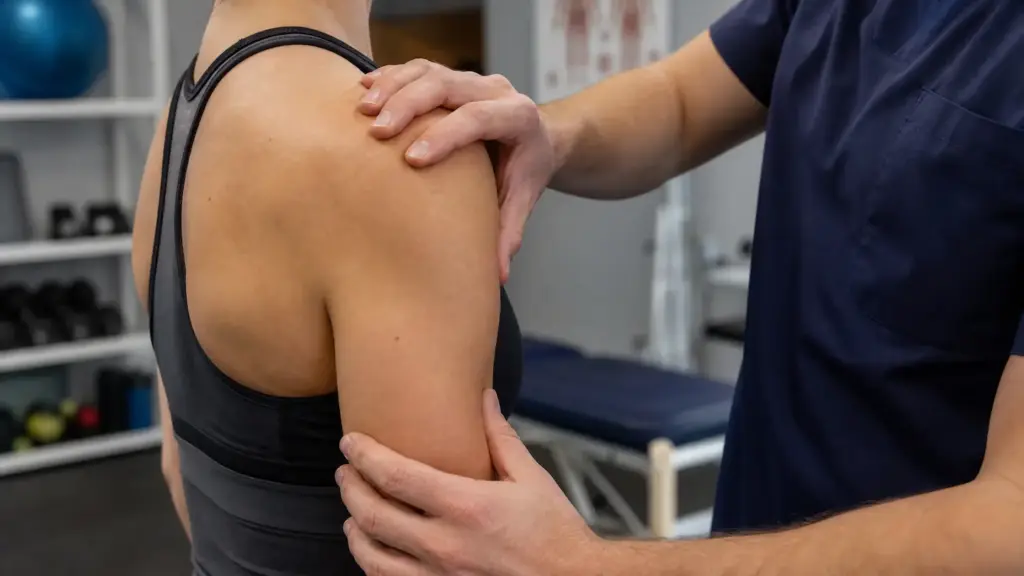
Understanding Shoulder Instability
Shoulder stabilisation repair reattaches torn ligaments (labrum) and tightens the joint capsule using arthroscopic techniques. This minimally invasive approach restores shoulder stability and prevents recurrent dislocations. Success rates exceed 90%, especially in younger patients. Most patients return to sport and normal activities.
What is a Labral Tear?
The labrum is cartilage that lines and deepens the shoulder socket. Labral tears can result from trauma (dislocation) or repetitive overhead activities. Tears cause pain, instability and weakness. Arthroscopic repair reattaches the torn labrum using sutures and anchors. This minimally invasive approach preserves tissue and enables rapid recovery.
Shoulder Dislocation & Instability
A history of shoulder dislocation puts you at risk for recurrent dislocations. Labral tears often occur with shoulder dislocation. The feeling that your shoulder may dislocate (“dead arm” sensation) indicates instability. Stabilisation surgery prevents future dislocations and restores confidence in your shoulder.
Treatment Approach
Arthroscopic shoulder stabilisation repair reattaches torn ligaments and tightens the joint capsule. This procedure can be performed arthroscopically (minimally invasive) or as open surgery depending on the extent of the damage. Most cases are treated arthroscopically with excellent results.
Common symptoms
- History of shoulder dislocation
- Feeling shoulder may dislocate ("dead arm" sensation)
- Shoulder pain with overhead activities
- Feeling of instability or shoulder "giving way"
- Apprehension with overhead reaching in certain positions
- Clicking or popping sensation in shoulder
- Loss of confidence in shoulder stability
- Weakness in shoulder strength
The procedure
Arthroscopic Technique
Mr Mitra creates 2-3 small incisions allowing camera and instruments access to the shoulder joint. The damaged labrum is debrided and mobilised. Specialised anchors are placed in the bone at precise locations. Sutures pass through the labrum and are tied through the anchors, repairing the torn tissue and stabilising the joint.
Stabilisation Repair
For shoulder stabilisation, the damaged labrum is repaired and the joint capsule is tightened using sutures and anchors. This strengthens the joint’s ability to prevent dislocation. The minimally invasive approach preserves tissue and enables rapid recovery compared to open surgery.
Labral Tear Repair
Labral tears are repaired using arthroscopic technique with sutures and anchors. The damaged labrum is secured back to the bone, restoring the socket’s depth and stability. Specialised anchors are placed in bone at precise locations. Sutures pass through the labrum and tie through the anchors, securing the repair.
Who Needs This Surgery?
Patients with recurrent shoulder dislocations benefit from stabilisation surgery. Those with labral tears causing instability or persistent pain may need repair. Young, active patients typically have excellent outcomes. This procedure is especially beneficial for athletes wanting to return to sport with confidence.
Recovery
Initial Recovery Phase
Initial recovery focuses on protection and pain management with arm in sling. Early physiotherapy begins immediately to restore motion gradually. Protection is critical in the first 4 weeks to allow proper healing of the repair.
Strengthening & Return
Strengthening phase begins at week 6. Most patients return to normal activities by 3-4 months. Most patients return to sport by 4-6 months. Compliance with physiotherapy is critical for optimal outcomes.
Recovery Timeline
Initial recovery focuses on protection with sling immobilisation for 4 weeks. Early physiotherapy begins to restore motion gradually. Strengthening progresses carefully. Most patients achieve good healing within 3-4 months and return to sport by 4-6 months depending on healing and demands.
Quick facts
Procedure time
60-90 minutes
Hospital stay
Day case
Recovery time
3-4 months / 4-6 months
Success rate
90-95%
Return to sport
4-6 months
Covered by all major UK insurers. No GP referral needed for self-pay.
WHAT TO EXPECT
Your recovery pathway
From your first appointment to full recovery, here’s exactly what to expect — so you know every step before you even book.
01
You get seen
Initial consultation and examination with Mr Mitra to confirm your diagnosis.
ANAESTHETIC & PATIENT COMFORT
Dr Khandelwal – Consultant Anaesthetist
Working in close clinical partnership with Mr Aveek Mitra, Dr Khandelwal specialises in advanced regional nerve blocks and bespoke sedation pathways, ensuring maximum surgical comfort and rapid same-day recovery.
MORE SPECIALISMS
Explore other treatments
Shoulder Impingement
Frozen Shoulder Treatment