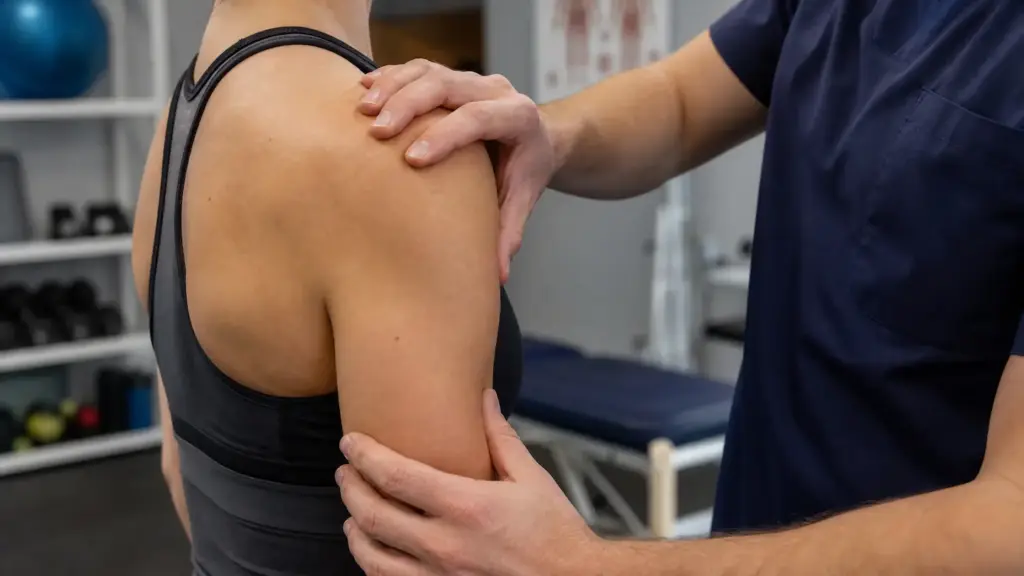
What is ACJ Pain and Arthritis?
ACJ (acromioclavicular joint) pain can result from arthritis, ligament injury, distal clavicle inflammation or labral pathology. The ACJ is the small joint where the collarbone meets the shoulder blade. ACJ arthritis develops in this joint due to osteoarthritis. Pain typically worsens with overhead activities and arm crossing the body.
Why It Happens
The ACJ is frequently affected by osteoarthritis as it is a high-motion joint. ACJ arthritis can develop from wear-and-tear over time or following injury. Ligament damage or inflammation can also cause pain in this area.
Early vs Advanced
Early-stage arthritis responds well to conservative treatment. Advanced cases causing significant pain may require surgical intervention. Accurate diagnosis is essential for effective treatment. Most cases respond to conservative management with physiotherapy and anti-inflammatory treatment.
Common symptoms
- Pain on top of the shoulder near collarbone
- Localised pain over the shoulder top
- Pain with overhead reaching activities
- Pain when arm crosses body
- Clicking or catching sensation in ACJ
- Stiffness and limited range of motion
- Pain that worsens with activity, improves with rest
The procedure
Diagnosis
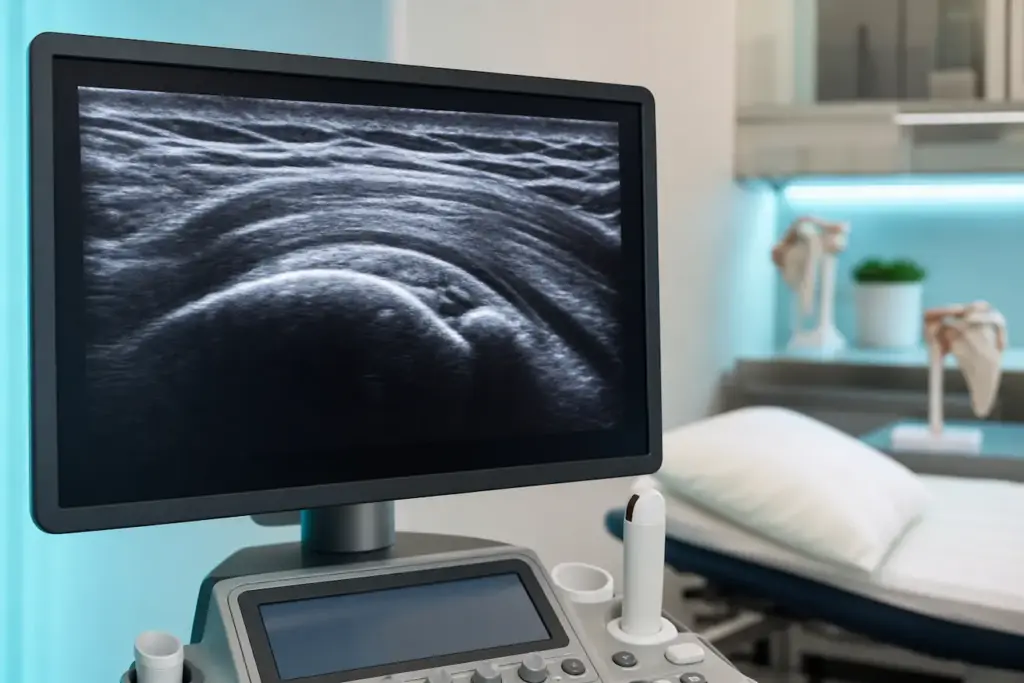
Mr Mitra performs thorough clinical examination using specific tests for ACJ pathology combined with imaging (X-rays, ultrasound or MRI). Treatment is individualised based on diagnosis and symptoms.
Conservative Treatment
Initial treatment involves physiotherapy, anti-inflammatory medications and activity modification. Rest and ice help reduce inflammation. Steroid injections provide temporary relief for resistant cases.
Surgical Treatment
For persistent symptoms not responding to conservative care, Mr Mitra performs ACJ excision (distal clavicle resection) arthroscopically. This minimally invasive approach removes the damaged joint surfaces. This eliminates pain while preserving shoulder function. The procedure is performed as a day case.
Treatment Options Include
- Physiotherapy and activity modification
- Steroid injections for pain relief
- Arthroscopic ACJ excision surgery (if needed)
Recovery
Conservative Treatment Recovery
Conservative treatment recovery occurs gradually over 6-12 weeks as inflammation subsides and strength improves. Most ACJ pain improves within 6-12 weeks with conservative treatment including rest and physiotherapy. Steroid injection results often occur within 2-3 weeks. Regular follow-up ensures appropriate treatment progression and optimal outcomes.
Surgical Recovery
Arthroscopic excision surgery requires hospital day case with 2-4 weeks recovery for light activities. Most patients achieve pain relief and return to normal activities within 4-8 weeks. Surgical cases require 4-8 weeks recovery.
Quick facts
Assessment time
30-45 minutes
Diagnosis tools
Physical exam, imaging, ACJ stress tests
Treatment
Conservative (80-90%), Surgical (10-20%)
Conservative recovery
6-12 weeks
Injection success rate
Provides temporary relief
Surgery success rate
90%
Conservative success rate
80-90%
Covered by all major UK insurers. No GP referral needed for self-pay.
WHAT TO EXPECT
Your recovery pathway
From your first appointment to full recovery, here’s exactly what to expect — so you know every step before you even book.
01
You get seen
Initial consultation and examination with Mr Mitra to confirm your diagnosis.
ANAESTHETIC & PATIENT COMFORT
Dr Khandelwal – Consultant Anaesthetist
Working in close clinical partnership with Mr Aveek Mitra, Dr Khandelwal specialises in advanced regional nerve blocks and bespoke sedation pathways, ensuring maximum surgical comfort and rapid same-day recovery.
MORE SPECIALISMS
Explore other treatments
Shoulder Impingement

Frozen Shoulder Treatment