Overview
Shoulder impingement syndrome occurs when the rotator cuff tendons become compressed under the acromion (bony structure above the shoulder). This compression causes inflammation, pain, and progressive weakness. Impingement typically results from poor shoulder biomechanics, muscle imbalance, or bone changes. If left untreated, chronic impingement can progress to rotator cuff tears, making early intervention important.
Common symptoms
- Pain with overhead reaching or lifting
- Pain when lying on affected shoulder
- Weakness with certain movements
- Clicking or catching sensation
- Progressive limitation of overhead activities
The procedure
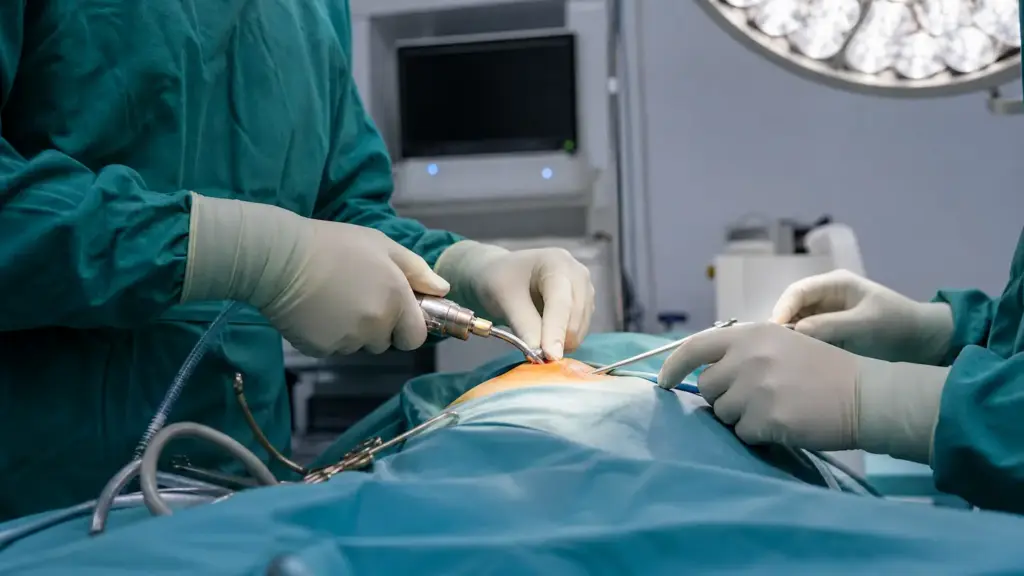
Shoulder impingement is initially treated conservatively with physiotherapy to correct muscle imbalances and improve shoulder mechanics. Anti-inflammatory medications and steroid injections provide pain relief and allow better physiotherapy participation. For cases unresponsive to conservative treatment (6-12 weeks), arthroscopic subacromial decompression removes bone or tissue causing compression, relieving pain and preventing rotator cuff damage.
Recovery
Most shoulder impingement responds to conservative treatment within 6-12 weeks. Physiotherapy focusing on rotator cuff strengthening and scapular stability is essential. Steroid injections typically provide 6-8 weeks of pain relief, allowing progression of rehabilitation. Surgical cases require 3-6 months recovery with structured physiotherapy.
Quick facts
Assessment time
30-45 minutes
Treatment type
Physiotherapy, injections, or surgery
Conservative success rate
85-90%
Surgical recovery time
3-6 months
Covered by all major UK insurers. No GP referral needed for self-pay.
WHAT TO EXPECT
Your recovery pathway
From your first appointment to full recovery, here’s exactly what to expect — so you know every step before you even book.
01
You get seen
Initial consultation and examination with Mr Mitra to confirm your diagnosis.
ANAESTHETIC & PATIENT COMFORT
Dr Khandelwal – Consultant Anaesthetist
Working in close clinical partnership with Mr Aveek Mitra, Dr Khandelwal specialises in advanced regional nerve blocks and bespoke sedation pathways, ensuring maximum surgical comfort and rapid same-day recovery.
MORE SPECIALISMS
Explore other treatments
Frozen Shoulder Treatment
Sports Injuries of the Shoulder